
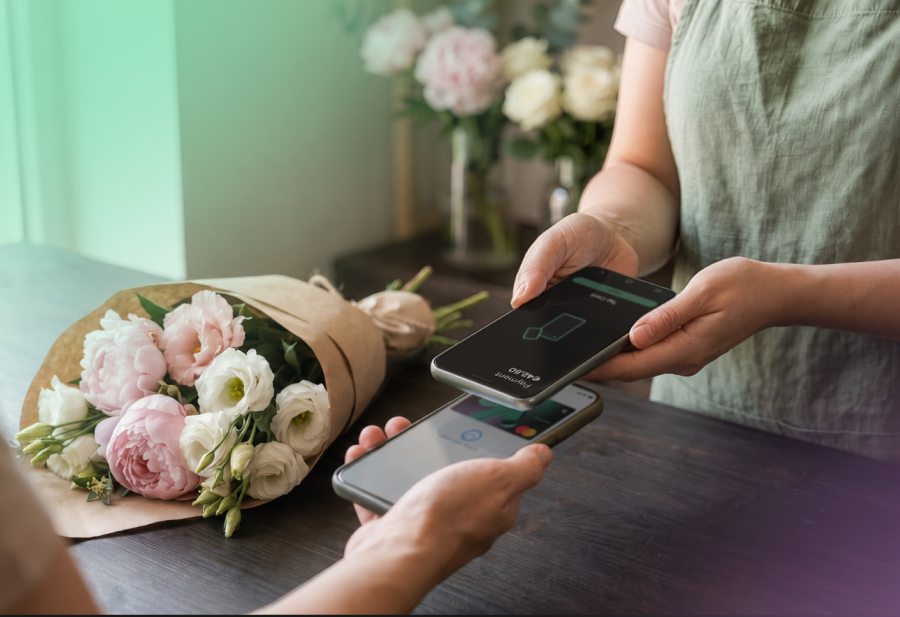
A Tap to Pay app turns a compatible smartphone into a contactless card machine. Instead of buying, charging and carrying a separate card reader, a business downloads an app, taps a customer's card or digital wallet against the back of the phone, and takes the payment on the spot. Think of it like swapping a bulky toolbox for a single multi-tool that fits in your pocket; the core job gets done with far less to carry around.
For UK merchants, from market traders to café owners to tradespeople working on-site, Tap to Pay apps have become a genuine alternative to traditional card machines because they use the same contactless standard banks already trust, at a fraction of the setup cost.
How we compared these Tap to Pay apps
We looked at the transaction fee, monthly cost, settlement speed, device support (iPhone, Android, or both) and who each app is actually built for, rather than ranking on headline rate alone. A low percentage means little if the money takes a week to reach your bank account or the app only runs on one operating system.
The best Tap to Pay apps for UK businesses, compared
payabl. Tap to Pay
payabl. offers Tap to Pay on Android devices at 1.5% and 5p per transaction, with no setup fee and no monthly fee. It is built for businesses that already use, or plan to use, payabl.'s wider payment stack, since the same dashboard that shows Tap to Pay transactions can also handle online checkout and multi-currency business accounts as the business grows, without switching providers. A market stallholder who later opens an online store, for example, never has to migrate to a second platform just to sell online. It currently runs on NFC-enabled Android 11+ devices; iPhone support is not yet available.
SumUp Tap to Pay
SumUp charges a flat 1.69% with no monthly fee and runs on both iPhone and Android, making it the broadest device match among the pure pay-as-you-go options. For a sole trader with no existing provider, this is a sensible default: the rate is published, flat, and does not depend on sale size.
Stripe Tap to Pay
Stripe's card-present rate is 1.4% plus 10p on EEA-issued cards, which undercuts SumUp once a sale passes roughly £48. It suits businesses that already run Stripe for online or subscription billing, since in-person takings land in the same dashboard as online revenue. It does ask for a developer-facing setup rather than a simple consumer app install.
Square Tap to Pay
Square charges 1.75% with no monthly fee, matching its physical reader rate, and bundles in a free EPOS layer: tipping prompts, itemised receipts and inventory tracking. A café that wants till-style features without buying till-style hardware fits this profile well.
PayPal Zettle Tap to Pay
Zettle also charges 1.75%, with the fastest settlement of the group: funds land in the PayPal Business balance within minutes, then transfer to a bank account the same day. The trade-off is a second balance to reconcile at year-end.
Dojo Tap to Pay
Dojo's consumer card rate is 1.4% plus 5p for businesses under £150,000 in annual card turnover, but it only runs on iPhone and carries a £15 to £20 plus VAT monthly fee as part of a Dojo Go account, so the lower rate only pays for itself above roughly £7,500 in monthly card turnover.
Tyl by NatWest
Tyl offers Tap to Pay at a flat 1.5%, with no setup or monthly fee, open to any UK business regardless of existing bank relationship.
Tap to Pay fees compared at a glance
| Provider | Transaction fee | Monthly fee | Platforms |
| payabl. | 1.5% + 5p | £0 | Android |
| Tyl by NatWest | 1.5% | £0 | iPhone |
| Stripe | 1.4% + 10p (EEA cards) | £0 | iPhone + Android |
| SumUp | 1.69% | £0 | iPhone + Android |
| Square | 1.75% | £0 | iPhone + Android |
| PayPal Zettle | 1.75% | £0 | iPhone + Android |
| Dojo | 1.4% + 5p | £15 to £20 + VAT | iPhone only |
Rates are drawn from each provider's published pricing and verified comparison data as of 2026; always confirm current rates directly before signing up, since providers revise pricing periodically.
Tap to Pay vs a card reader: which do you need?
The UK's contactless limit for physical cards sits at £100. Above that threshold, a card issuer can require a PIN, and some UK-issued cards must be inserted into a reader rather than tapped, which no phone-based app can accommodate. Apple Pay and Google Pay sit outside this ceiling because the phone's own biometric check authorises the payment.
Picture a plumber finishing a £250 boiler repair on a customer's doorstep. If the customer pays by Apple Pay, Tap to Pay handles it without issue. If the same customer tries to pay with a physical card that needs a PIN, the plumber is stuck without a reader. That is why many growing UK businesses run a Tap to Pay app alongside a physical card reader rather than choosing one over the other: the phone covers everyday contactless sales and digital wallets, and the reader covers higher-value card-present sales that require a PIN.
Tap to Pay apps genuinely close the gap between a market stall and a shop counter
Choosing the best Tap to Pay app for a UK business in 2027 comes down to three honest questions: which phone the business already uses, whether it needs the payment to sit alongside existing online revenue, and how quickly the money needs to reach the bank. payabl., Tyl and Stripe currently offer the sharpest rates; SumUp and Square offer the broadest device support and built-in till features; and every option shares the same underlying contactless technology that UK banks already trust. Tap to Pay apps have turned what used to require a dedicated card machine into something a business already carries in its pocket, and that shift is not a passing trend; it is simply how small and growing UK businesses will keep accepting payments.
Is a Tap to Pay app the same as a card machine?
Functionally yes. A Tap to Pay app uses the phone's built-in NFC chip to read a contactless card or digital wallet using the same EMVCo contactless standard that physical card machines use. The only real difference is where the antenna sits.
What is the cheapest Tap to Pay app for a UK business?
On a flat, pay-as-you-go basis with no monthly fee, Tyl by NatWest and payabl. both publish rates around 1.5%, undercutting SumUp's 1.69% and Square and Zettle's 1.75%. Stripe's 1.4% plus 10p can be cheaper still on sales above roughly £48, but it is not a simple consumer app install.
Can I accept payments over £100 with a Tap to Pay app?
Sometimes. Digital wallets like Apple Pay and Google Pay typically clear above £100 because the phone's biometric check authorises the payment. Physical contactless cards are capped at £100 in the UK, and some cards above that limit must be inserted into a reader, which no Tap to Pay app can do.
Does a Tap to Pay app work on Android and iPhone?
It depends on the provider. SumUp, Stripe, Square and Zettle run on both. payabl.'s Tap to Pay currently runs on Android 11 and later with NFC. Dojo is iPhone only.
Is Tap to Pay secure for a UK business to use?
Yes. Tap to Pay relies on the same EMVCo contactless standard and bank-grade encryption used by physical card machines, and card data is never stored on the merchant's device.