The balance between the UK’s ecommerce sector and in-store shopping is finely poised.
The proportion of retail sales made online is expected to reach around 38% by the end of this year, amounting to a total value of more than £150 billion.
While digital commerce continues its remarkable growth trajectory, more than 60% of sales still take place in physical stores - retaining a strong hold over British consumers who value a more personal in-store shopping experience.
Merchants must therefore make sure they are covering both bases. In terms of payment infrastructure, they need more choice, not more providers. By aligning with evolving consumer needs and unifying their payment ecosystem, merchants can stay one step ahead of the competition.
Understanding consumer behaviours and enhanced omnichannel expectations
Modern consumers no longer think in terms of “online” or “in-store”. They see a single brand, and they expect a seamless experience across all touchpoints.
This is exemplified by the growing prevalence of Buy Online, Pick Up In-Store (BOPIS), also known by the catchier ‘Click and Collect’. This is a popular omnichannel strategy where consumers can buy an item online and then pick it up in a physical store. In fact, one recent study suggests three-quarters of retail customers are now using multiple channels during their shopping journey.
It combines the convenience of online shopping with the flexibility of in-person pick up, which typically leads to lower costs for retailers and no shipping fees for the customer. It also opens the door for increased in-store spending if they see something they like in person.
The way in which consumers want to pay is also changing.
Today’s shoppers expect speed and choice to underpin their transactions – and tomorrow’s will expect it even more. Alternative payment methods (APMs) are quickly gaining traction, with digital wallets, instant bank transfers, and Buy Now Pay Later (BNPL) all becoming commonplace.
This reflects fundamental changes in both technology and regulation. Open Banking in the UK, for example, surpassed 15 million users in July 2025, marking its fastest growth yet as it continues to further expand payment options.
Consumers want to pay their way – whether that’s by card, mobile wallet, or an Open Banking-powered account-to-account transfer – and then move on instantly. They’re moving more fluidly between channels, and research from our recent report on the state of European checkouts reveals half (47%) of UK shoppers use a different payment method when shopping in store than they do when shopping online.
This reinforces the idea they are making an active choice over what payment method they’re using, and aren’t simply creatures of habit. For those using a different payment method when shopping in store, 41% choose to use a contactless credit or debit card while more than a quarter (27%) turn to mobile wallets.
We also know from our study on how different parts of Europe like to pay that the UK has emerged as a leading market for digital payments, with increasing consumer adoption of digital wallets and BNPL solutions. The likes of Apple Pay, Google Pay and PayPal are now widely used for both ecommerce and in-store contactless transactions.
This all points to one thing: payment choice is diversifying. And this demand for flexibility can open up operational silos and create complexity for merchants, both at the counter and in their back office.
The question shouldn’t be which payment method will win; rather it’s how Britain’s businesses can best support all of them without slowing service or bogging down workflows with multiple tools and platforms.
Making the case for unification
The answer lies in successfully unifying online and in-store POS (Point of Sale) payment channels. This is crucial for retailers hoping to create a more seamless customer experience, while improving operational efficiency.
Introducing such solutions brings multiple benefits for businesses with an eye on growth. To begin with, it significantly reduces the operational costs associated with managing multiple, disconnected payment systems.
As well as accommodating the full spectrum of traditional payment methods, such as cards and new APMs entering the market, the best solutions bring reliable, flexible, in-person acceptance together with online sales. This ensures that every transaction, refund, and reconciliation is tracked in real time, resulting in a single source of truth across all channels, cleaner data, and more transparent operations.
Implementing a single, unified system also simplifies financial reporting, saving accounting teams countless hours of manual work and reducing the risk of human error. In addition, it helps simplify compliance procedures and fraud prevention - breakthroughs such as machine learning algorithms can more easily analyse consolidated data from across all sales channels to identify suspicious activity.
Importantly, by operating on a unified, flexible platform, merchants can quickly and easily expand into new markets and sales channels, without the need to rebuild their entire payment infrastructure.
Turning payment data into a strategic asset
Unifying payment data facilitates much deeper insights. It creates a powerful means of analysing customer behaviour, which can then be used to make smarter decisions about marketing, product offerings, and resource allocation.
It gives businesses a more valuable, 360-degree view of a customer’s purchase history and preferences across all channels, allowing for more relevant and personalised product recommendations. It also helps them to ensure customers enjoy a truly integrated experience, providing the foundations on which consistent pricing and promotions can be introduced. This, for example, could be a single refreshed loyalty programme that tracks purchases and rewards across in-store and online channels, building brand trust and loyalty.
A more unified view helps businesses turn this data into actionable steps. They can spot trends sooner, resolve issues faster, and move money with confidence without switching between providers or portals. They can also compare online and offline conversion, analyse settlements and fees in one place, and reconcile faster using consistent, high-quality data.
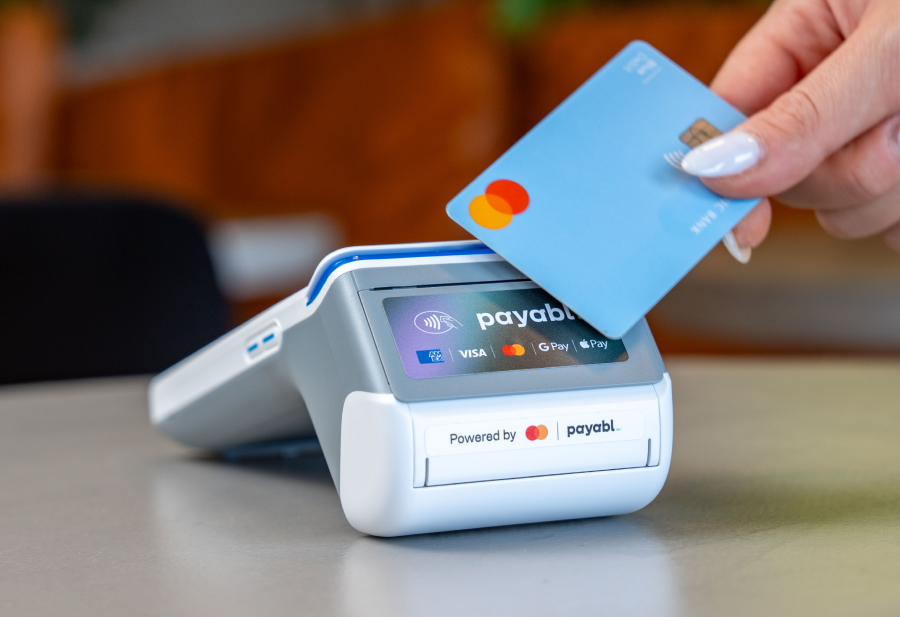
This was the inspiration for payabl. in-store, our POS solution that helps bring together a merchant’s entire payment ecosystem through an intelligent platform connecting everything from checkout to reconciliation. It plugs directly into the payabl.one dashboard, where every authorisation, settlement, and payout is visible across all locations and channels.
Find out more about how payabl. In-store helps you manage all channels seamlessly through a single moneyspace, so you can focus on growth, not infrastructure.