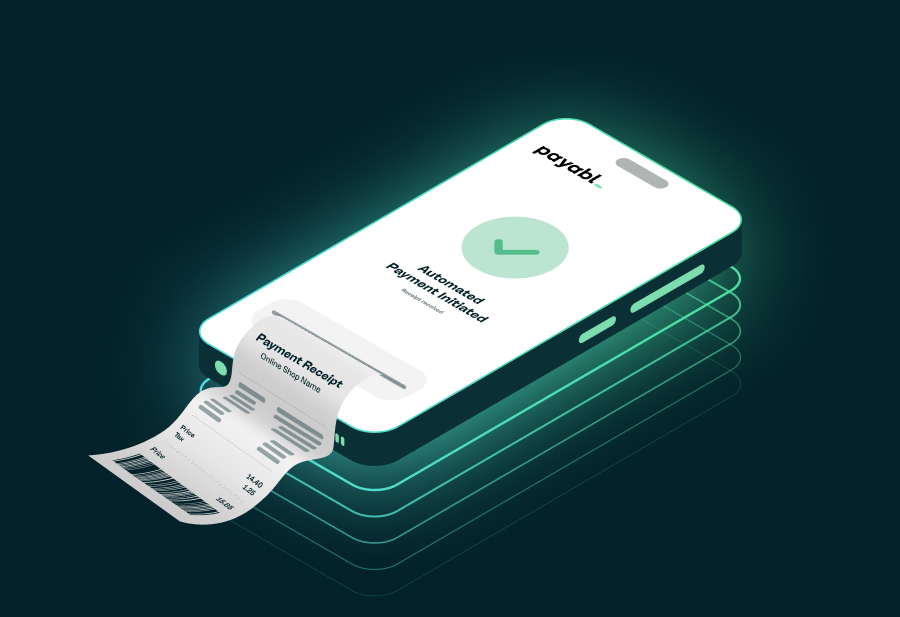
An automated payment system is any digital solution that lets money move between a buyer and a seller on a set schedule or trigger, with little to no manual work. For merchants, that means payments are captured, settled, and reconciled without someone keying in details every time.
As electronic payments keep rising, the pressure to remove manual steps and embrace payment automation grows with them. An automated payment system makes the whole process faster, smoother, and cheaper to run, for you and for your customers.
What is an automated payment system?

An automated payment system is any digital solution that makes electronic payments possible without having to set them up manually each time. They enable the exchange of funds between a seller and a buyer with little to no human intervention.
Automated payment systems make the payment process fast and efficient for both merchants and their customers. As the number of your online orders and transactions increases, you will be faced with the challenge of reducing your relevant operational costs. By adopting payment automation solutions such as batch payment processing and recurring payments, you can focus on growing your business while you reduce payment-related administration costs.
How does an automated payment system work?
An automated payment system works like a reliable postal courier who already has your delivery instructions: once you set the rules, it collects and delivers every time without being told again. In practice, it follows four steps:
1. Set the rule. The merchant defines when and how a payment is triggered, for example a monthly subscription charge or a batch of daily orders.
2. Capture consent. The customer authorises the charge once, often confirmed with a small preauthorisation on the card.
3. Process automatically. The system sends the transaction to the payment processor for settlement, with no manual re-entry.
4. Reconcile and record. Each automated payment is logged, receipted, and reconciled, giving you a clean audit trail in real time.
The benefits of automated payments
Save time and cut costs
Traditional payment methods can involve quite a bit of manual labor and also consume time that could be saved and invested in more important tasks. Imagine writing a paper check, taking it to a bank or mailing it to deposit it, the bank staff taking a few days to manually process it, and so on.
Shifting to electronic payments and automating them lets merchants process payments much faster with far less effort. No queues, no delays in transit, and savings on stationery, postage, and travel, for starters. Electronic transaction fees and processing costs can be much lower. Automated payments also help avoid penalties from missed deadlines, and in some cases customers can be rewarded with early payment discounts.
Lower your chances of errors
Manual payment processing tasks can quickly become repetitive, which means there are greater chances of accidents occurring. There could be calculation errors, typos, duplicate payments, and other types of mistakes. The smallest error could then lead to distrust between vendors and buyers.
Since automated payments require minimal human intervention, there is a lower chance of errors being made. Once an automated payment system is set up, it will do its job every time like clockwork. There may be certain advanced algorithms and tech in place to make sure that the system keeps running smoothly. In fact, any mistakes that do occur due to the occasional human intervention could also be promptly caught by the automated system.
Boost security and fraud prevention
Automated payment systems provide better security and reduce the chances of payment fraud for both customers and merchants. Most automated systems are built with proper financial compliance protocols in place, making sure that no rule is violated each time a payment is processed. The use of advanced technology in automated payment systems also enables merchants to adhere to the latest cybersecurity standards for secure data storage and communication.
The use of artificial intelligence and machine learning also allows an automated payment system to do a better job at detecting attempts of payment fraud than a human agent would. This can protect both customers and merchants.
Achieve greater transparency
An automated payment system allows merchants to track all payment activity in real time and keep their customers and other stakeholders informed at all times. When payment systems are automated based on predefined rules along with intelligent algorithms, there are lower chances of errors and discrepancies. Merchants are able to follow standardized payment processes, making sure each transaction is accurate and error-free. A proper digital record is maintained for all payments going through the digital automated system, fostering trust among customers as well as regulatory authorities.
Examples of payment automation solutions
1. Batch payment processing
Batch payment processing is the process of taking a ‘batch' of authorization requests and sending them to the payment processor for settlement. This is done by merchants in order to retrieve their money from customers' bank accounts. Manual processing of hundreds, or even thousands, of transactions every day is definitely a time-consuming task for your business. With batch payment processing, you can upload a single file to the payment gateway containing details for all the transactions you want to process and save time that can be used on other tasks.
To utilize this solution, it is important to choose a PCI DSS compliant payment solution, like the one provided by payabl., to ensure payment security. Along with a suite of fraud management tools, payabl. supports merchants in automating the processing of multiple transactions instead of submitting authorization requests individually.
Benefits of batch payment processing in the automated payment process
- Improves customer experience – Apart from time and cost savings, batch payment processing improves the customer experience as well. When customers proceed with a purchase, their payment is seemingly authorized instantaneously, so their part in the transaction is completed quickly and seamlessly.
- Better organization – Another benefit of automatic payments through batch processing is better organization of transactions. When payments are processed and stored in batches, all transaction details can be reviewed and managed easily, in one place, in one go.
- Reduces payment risks – When batch processing automatic payments, credit card information is not manually recorded, stored, or handled, which minimizes the risks involved. A PCI DSS certified payment gateway can further ensure the secure storage and processing of sensitive financial data.
2. Recurring billing solutions
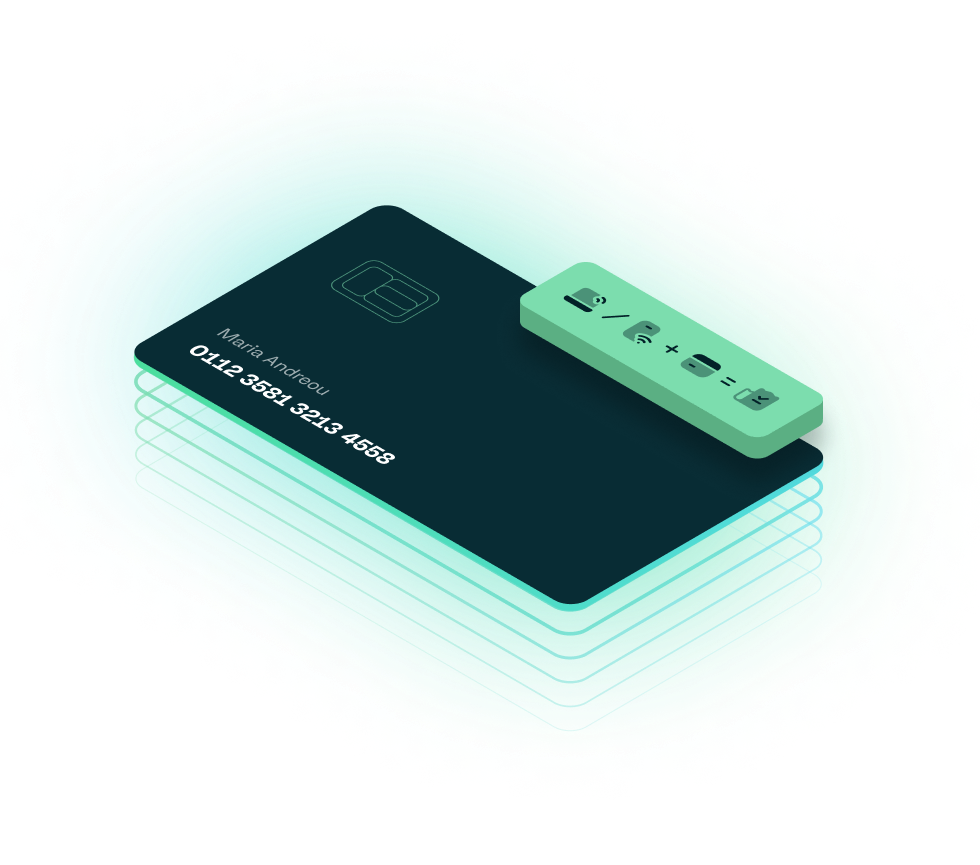
Online merchants utilize recurring payments to get paid by customers on a prearranged schedule. Cardholders give one-time consent to the merchant to charge their credit card on a recurring basis until they withdraw their consent. This payment automation solution is ideal for merchants selling subscription-based products or services. From eLearning services to food subscription boxes, there are many types of businesses that run on subscription models.
To validate the credit card used when a customer signs up for recurring billing, the merchant usually requests a preauthorization of the card for €0 or €1. If the card is valid, then the actual payment will be successful.
Benefits of recurring billing
Some of the main benefits of utilizing recurring billing solutions include:
- Fewer late payments for the merchant
- The customer avoids late payment penalties
- Easy modification of the preferred payment method and subscription plan by the customer
- Better cash flow predictability for the merchant
- The receipt for each automatic payment is also sent automatically to the cardholder by email or text, allowing better transparency and timely record-keeping
Reliable payment solutions providers, such as payabl., also offer card updater services, also known as card account updater (CAU) services, to ensure that the card information for each customer in your database is up to date and the recurring billing cycle is not interrupted. With card updater services, real-time account updates are received during authorization to ensure the subscription customer card details are updated in cases where a registered credit card has expired or was reported lost and a new card has been issued.
Read more about recurring payments here
Automated payment system vs manual payment processing
| Factor | Automated payment system | Manual payment processing |
| Speed | Near-instant, runs on schedule | Slow; depends on staff availability |
| Error rate | Low; minimal human input | Higher; typos, duplicates, miscalculations |
| Cost per transaction | Lower over time | Higher admin and labour costs |
| Security | PCI DSS controls, AI fraud checks | Card data handled by hand, more exposure |
| Cash flow visibility | Real-time, predictable | Delayed, harder to forecast |
Automate your payment processes with payabl.
Payment automation functions are mutually beneficial for merchants and shoppers. payabl. understands the importance of operational efficiency for your business and provides comprehensive payment automation solutions to support you. By using our PCI-DSS Level 1 certified payment gateway, you can ensure that all automated transactions are processed in a highly secure environment.
To implement an effective automated payment system, get in touch with us today!
An automated payment system pays for itself in time, accuracy, and trust
For any merchant scaling online orders or subscriptions, the question is no longer whether to automate payments, but how quickly.
An automated payment system removes the repetitive, error-prone tasks that quietly drain your margins, replaces them with speed and precision, and hands you a real-time view of every transaction.
Whether you lean on batch payment processing to clear high volumes or recurring billing to keep subscription revenue predictable, the payoff is the same: lower costs, fewer errors, stronger security, and customers who trust that their payments simply work.
Automate the routine, and you free your team to grow the business. An automated payment system pays for itself in time, accuracy, and trust.
Frequently asked questions
What is an automated payment system?
An automated payment system is a digital solution that moves funds between a buyer and a seller on a set schedule or trigger, with little to no manual intervention.
How does an automated payment system work?
It follows merchant-defined rules: the customer authorises once, then the system captures, processes, and reconciles each payment automatically.
What are the main benefits of automated payments for merchants?
They save time, cut processing costs, reduce human error, strengthen security and fraud prevention, and improve cash flow visibility.
What is the difference between batch payment processing and recurring billing?
Batch payment processing settles many transactions at once from a single file, while recurring billing charges a customer automatically on a fixed schedule until consent is withdrawn.
Is an automated payment system secure?
Yes, when it runs on a PCI DSS certified gateway, such as payabl.'s PCI DSS Level 1 gateway, with encryption and AI-driven fraud monitoring built in.