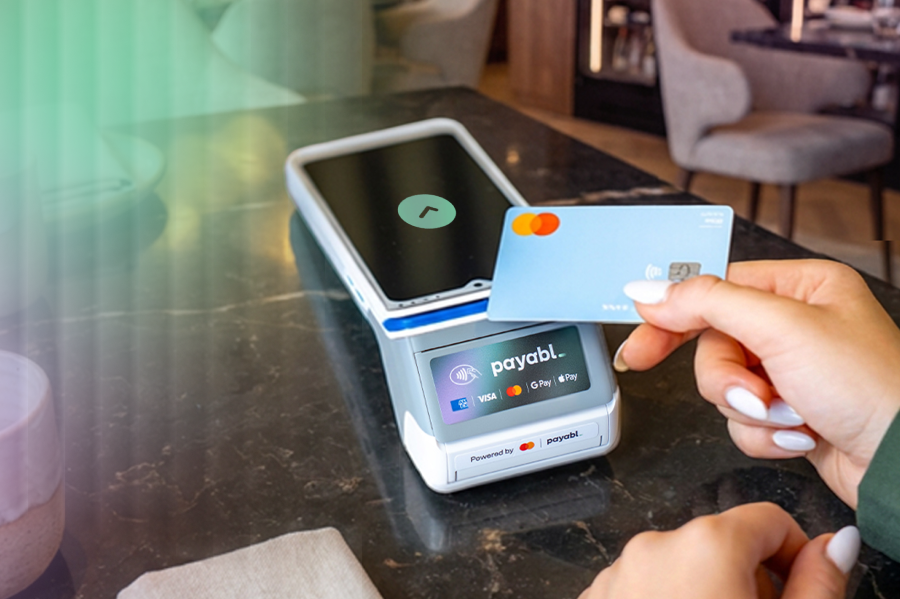
Running a physical location means absorbing costs that online-only businesses never have to encounter. Rent, staffing and utilities are the obvious costs, but for many merchants, the less visible costs sit inside their payments setup: terminal costs, processor fees and manual reconciliation across disconnected systems. These costs add up quietly, and most merchants don't notice until margins are already thin.
What physical merchants actually pay for
Every card payment carries a cost. Interchange fees, scheme fees, acquirer margins, terminal rental, maintenance contracts and connectivity charges. Each takes a fraction from every transaction made. For merchants processing high volumes across multiple terminals, these small costs compound fast.
Hardware costs add up for merchants. Many lease terminals through long-term contracts. When a device breaks or falls behind on compliance standards, the replacement process is slow and expensive. Some providers lock merchants into proprietary ecosystems, making it costly to switch.
When considering the costs of cash, handling, counting, storing, insuring, and depositing physical money takes time and introduces risk. Shrinkage from miscounts or theft is a persistent issue. Most retail environments still expect cash, but the operational overhead it creates is rarely accounted for properly.
Where the pain compounds for merchants
The biggest drain on time and money often sits between the transaction and the bank account.
Reconciliation is one of the most overlooked costs for merchants. When payment data, sales data and business accounts sit in separate silos, it takes time to manually reconcile, and errors are common. A mismatched settlement, a delayed payout, or a chargeback that surfaces weeks later disrupts cash flow and pull staff away from revenue-generating work.
Cash brings overheads. Cash handling, bank runs, till floats, safe storage and shrinkage all consume time and money. The British Retail Consortium's most recent Payments Survey put the cost of accepting card payments for UK retailers at over £1.48 billion per year, with card fees rising faster than transaction volumes. When you add hardware costs, connectivity and downtime, the total cost of a payments setup rarely matches the quoted numbers.
Reporting is another gap. Many merchants operate without a clear, real-time view of how money moves through their business. They rely on end-of-day summaries or weekly exports. Decisions get made on stale data, and when margins are tight, this is a liability.
The provider relationship matters too. Merchants dealing with multiple vendors for separate parts — terminals, processing or business accounts — spend time managing contracts and working with inconsistent pricing structures. More providers means more complexity and less control.
How merchants reduce the weight
Merchants who manage in-store costs best share a common trait: they consolidate their operations. Fewer providers mean fewer contracts, fewer points of failure, and a clearer view of where money flows.
A modern in-store payments setup reduces friction for merchants. Terminals that are simple to deploy and maintain, transparent fees and predictable payouts. This comes from a unified dashboard where merchants see every transaction from online and in-store channels without moving between platforms.
Where payabl. fits
payabl. brings in-store payments, business accounts, and transaction data together in payabl.one, a unified moneyspace for all things money. You get a single view of your funds, whether they move through a terminal, an online checkout, or a business account.
payabl.’s in-store solution provides reliable physical hardware, transparent processing and real-time reporting — without juggling multiple providers that add cost and complexity.
The starting point is straightforward: fewer systems, fewer contracts and more visibility.
Reduce your in-store costs with payabl.